
The final event in the three‑part Below Our Knees series brought together the Sutton and Gundaroo communities for an inspiring day focused on native grasslands, woodlands and weeds. Delivered in partnership with Landcare, Friends of Grasslands, Local Land Services and Dr Sonia Graham from the University of Wollongong, the series aimed to help landholders better understand and care for the ecosystems beneath their feet - and to do so together.
The Below Our Knees series began in November 2025 at Schofield’s Travelling Stock Reserve in Bywong, where strong attendance highlighted the community’s appetite for hands‑on learning about native grasslands. Building on that momentum, a second Native Grasslands and Weeds Gathering brought together the Bywong and Wamboin communities in March 2026, followed by the final gathering on Saturday 11 April at the new St Peter’s Anglican Church Hall in Sutton.
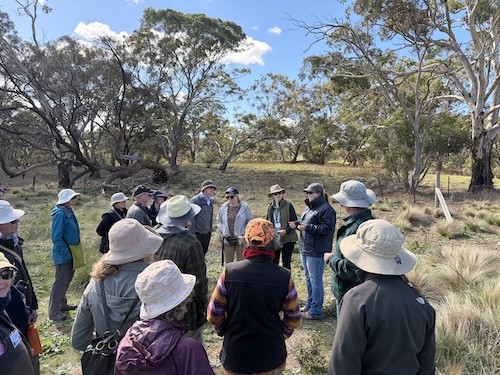
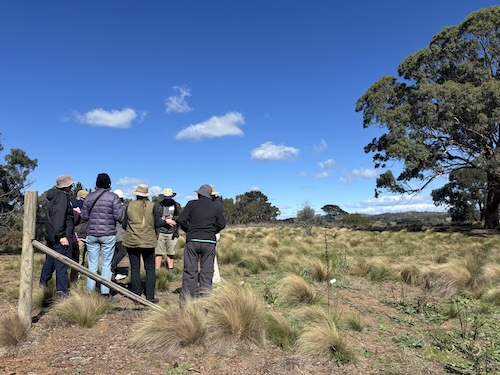
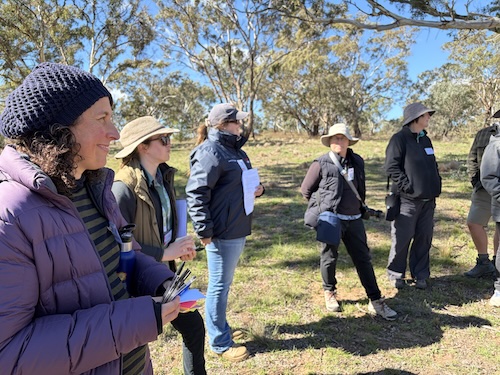
The Sutton event began with a short walk to a neighbouring reserve, where Sutton Landcare has been working with Council to control blackberries, amongst other things. While this work has made a visible difference, weeds such as serrated tussock, Paterson’s curse and St John’s wort remain persistent, providing valuable talking points for field discussions.
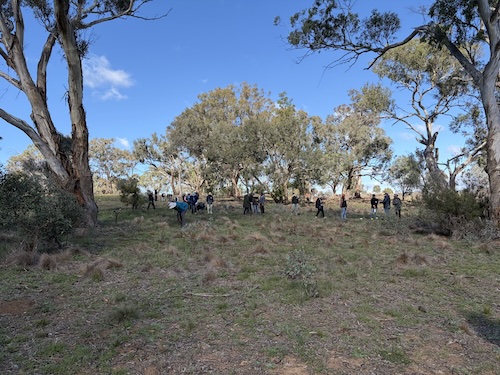
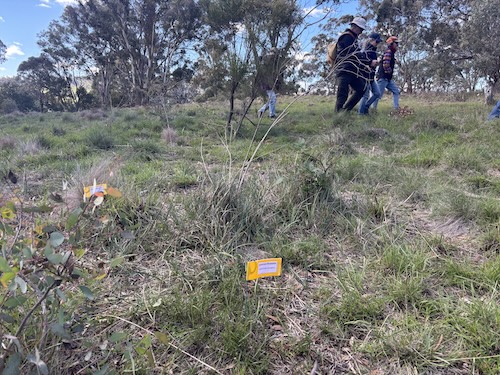
Local Landcare Coordinator Sarah McGrath opened the day by exploring why native grasslands matter. Once widespread and central to Australia’s early agricultural prosperity, temperate grasslands and grassy woodlands are now critically endangered. Yet they are remarkably resilient ecosystems, thriving without fertilizer or tillage and better able to withstand climate extremes when managed well. Sarah highlighted how grazing, fire and seasonal change shape grassland diversity, and how a mosaic of grass ‘heights’ supports soil health, water infiltration, refuge and forage for native plants and wildlife.
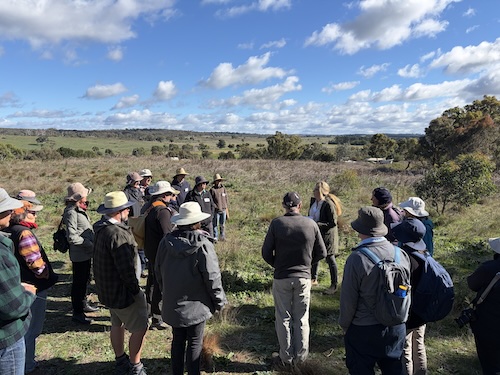
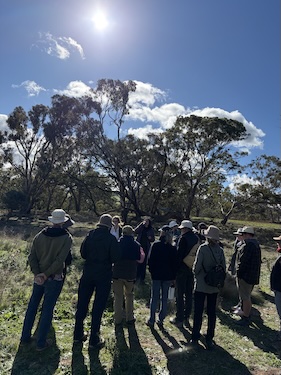
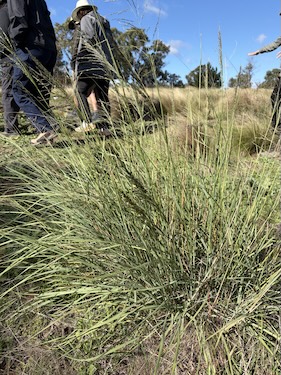
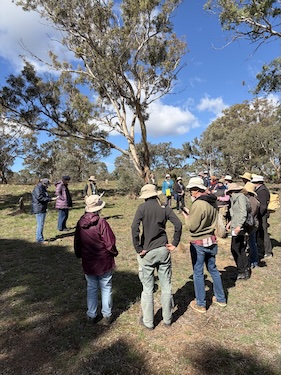
Friends of Grasslands volunteers then guided participants through the reserve, pointing out native and exotic species. Native plants such as Austral Bear’s Ears (Cymbonotus lawsonianus) and Scrambled Eggs (Goodenia pinnatifida) sparked excitement, alongside discussion about emerging invasive native species like Sifton bush (Cassinia sifton), and how these differ from relatives such as Rosemary bush (Cassinia quinquefaria).
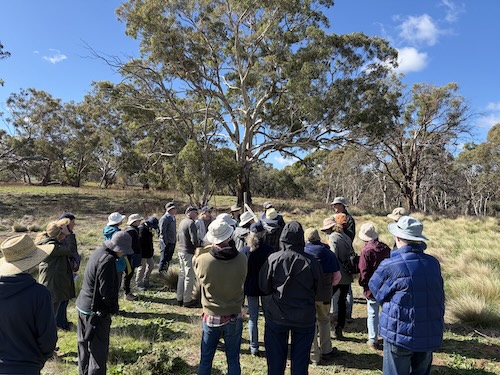
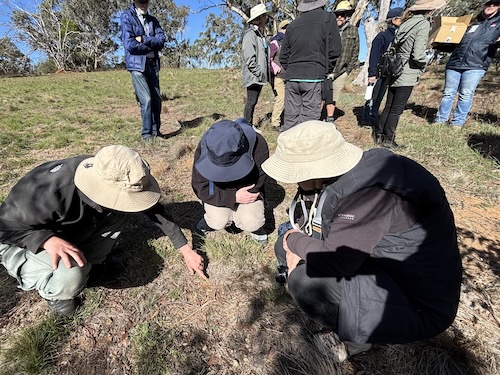
The groups’ focus then shifted to weed management, with Bella Hart from South East Local Land Services emphasising an integrated approach. Rather than viewing weeds in isolation, Bella encouraged participants to see them as a symptom of declining ecosystem condition. Prevention - particularly avoiding bare ground and maintaining good groundcover - emerged as a key theme, along with correct plant identification, prioritization and well‑timed action to reduce seed set.
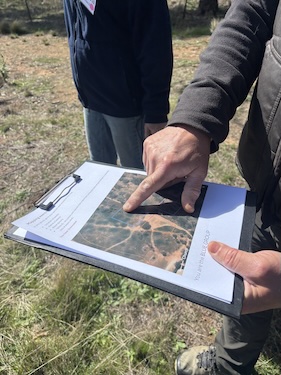
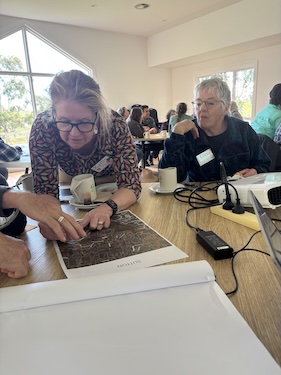
A small‑group mapping exercise then helped participants document weed species and densities across the reserve, highlighting strategies to follow‑up on blackberry control measures, and acting early on emerging threats like African Lovegrass and Hawthorn on site.
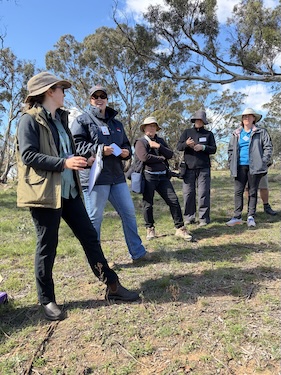
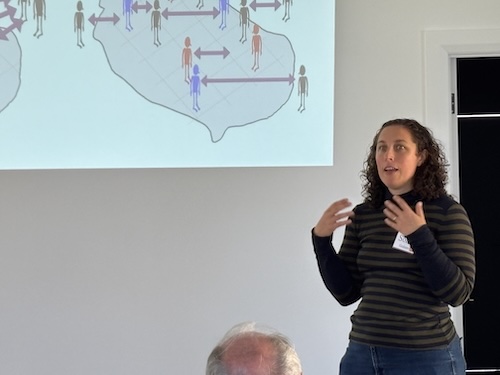
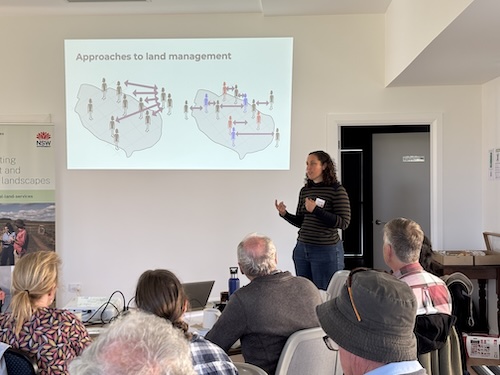
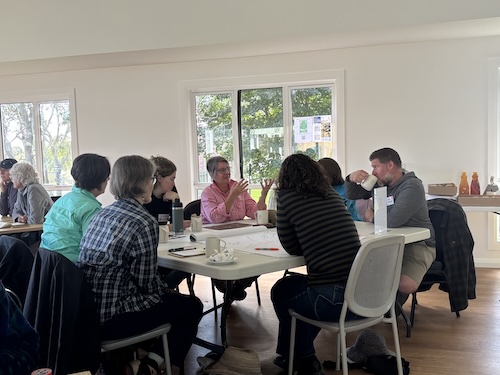
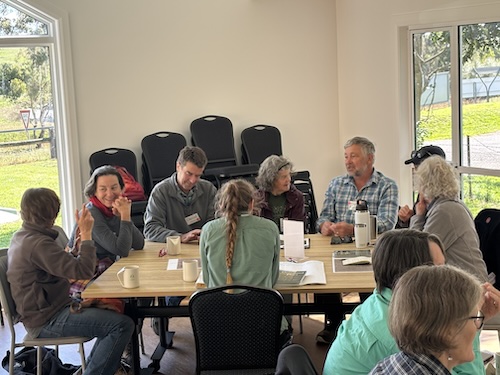
Back at the hall over lunch, Dr Sonia Graham shared insights from her PhD and five years of research into community‑led weed initiatives. Her message resonated strongly: environmental action rarely succeeds in isolation. When people focus on manageable patches and work collectively, even complex challenges like weeds become achievable.
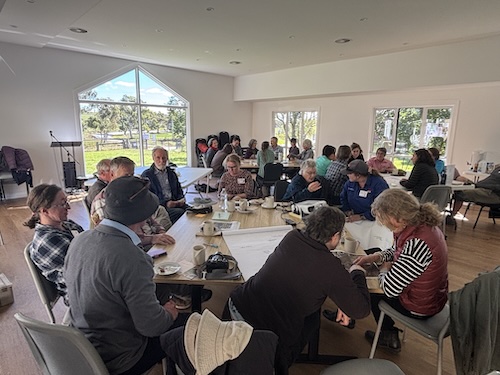
These ideas flowed into a breakout session where geographic groups translated learning into local action. From Sutton to Gundaroo, Wamboin to Bywong, approaches varied - from restarting Landcare groups to cul-de-sac catchups, and Greenway working bees - but the message was clear. People care deeply about their land, and positive change happens when knowledge, support and action come together at a local, grassroots level.
For more information on Sutton Landcare or to get involved please see Sutton Landcare page.
Written by Erin Brinkley, YAN Project Officer.
