
Do you like the idea of (small-scale) farming with native plants?
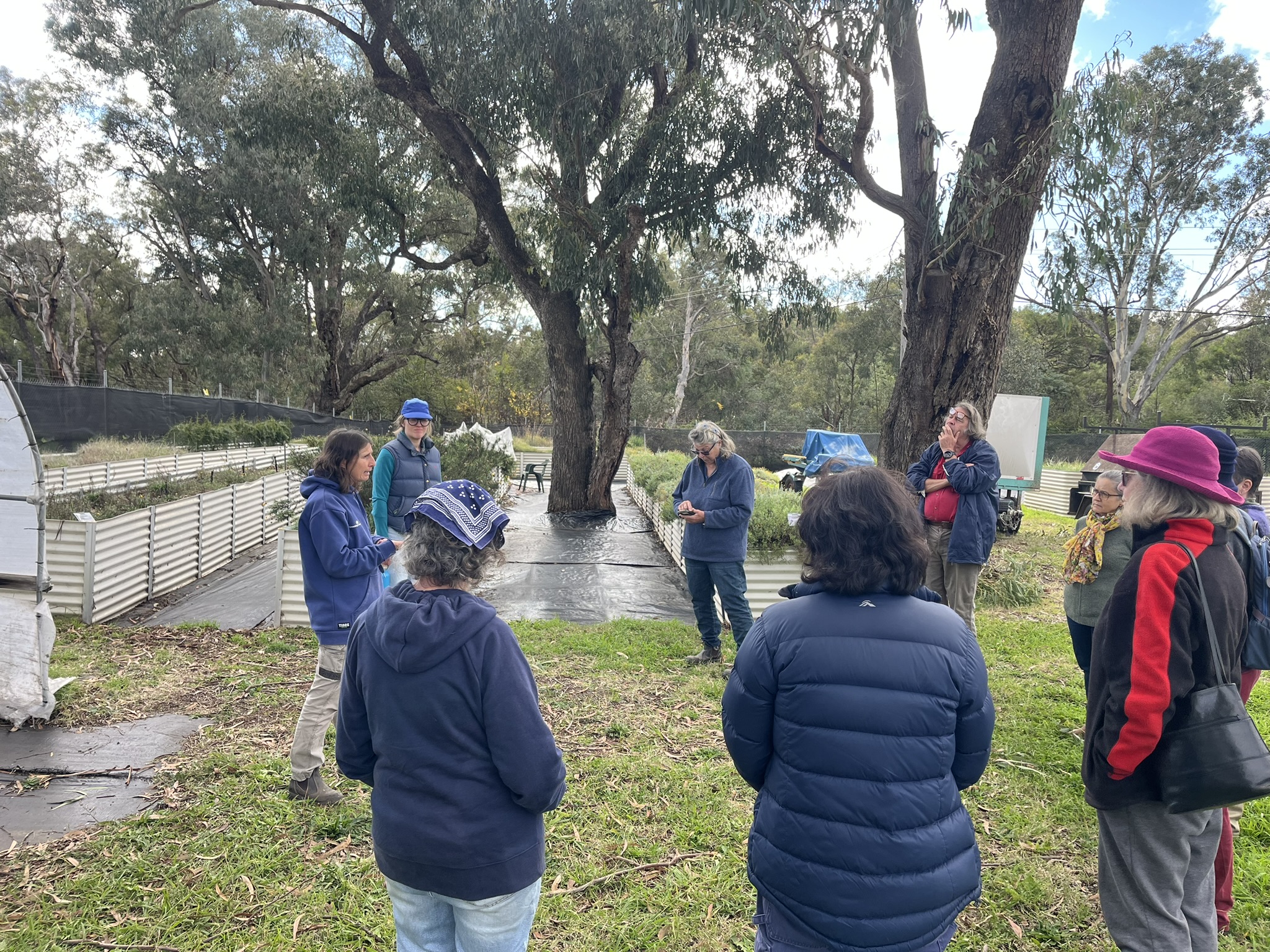
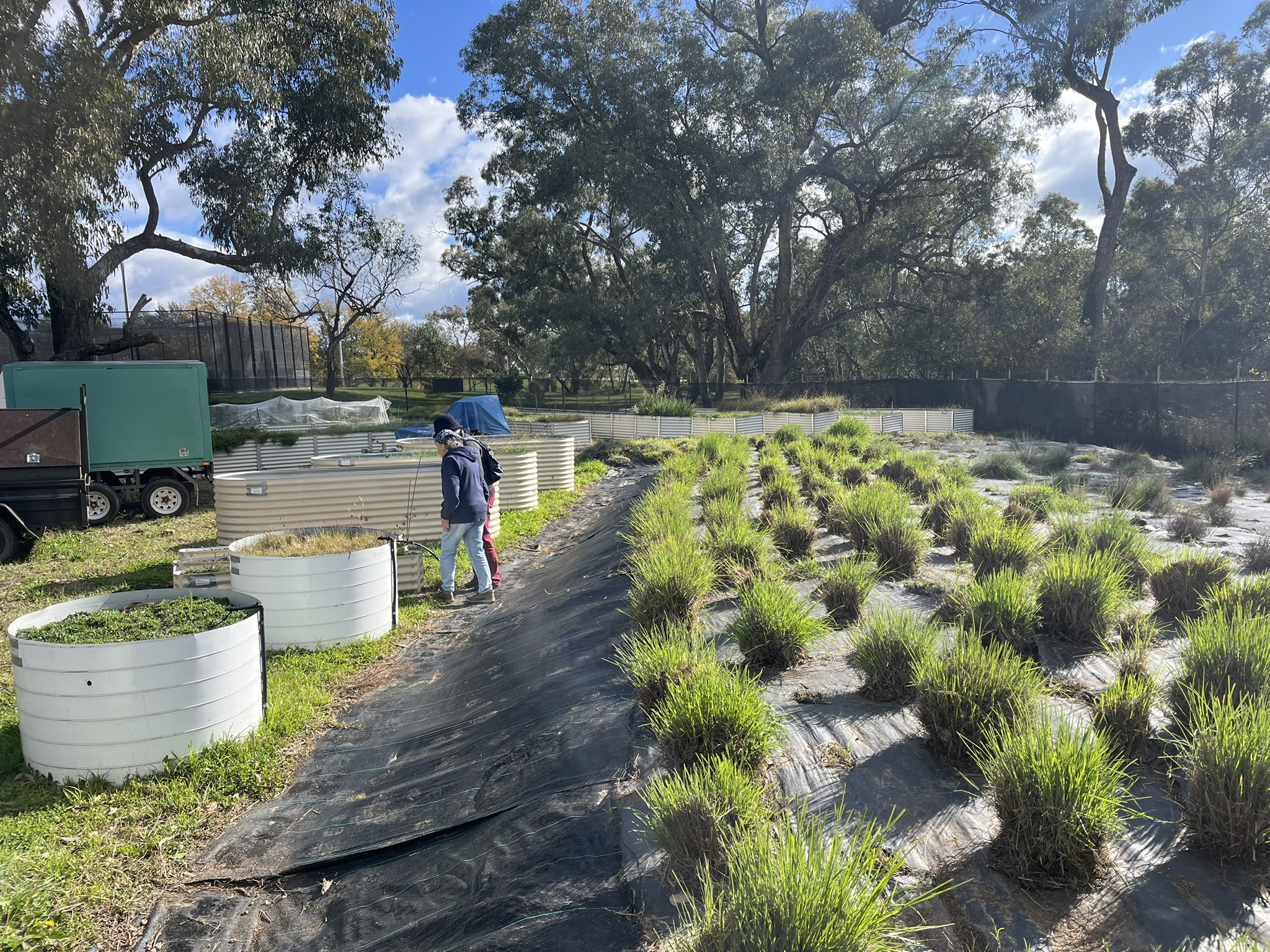
When we think of farming, we often picture large-scale food and fibre crops. But what about growing native species for their seed to support revegetation efforts? Some of YAN’s committed nursery volunteers recently enjoyed a tour of the Nindethana (Greening Australia) Seed Production Area (SPA), and an ACT Government SPA in Gungahlin to learn more about what’s involved in their set up and maintenance.
First, some background
Growing and harvesting native plants for their seed has significant appeal. Among the many benefits of SPAs or ‘Living Seed Banks’ are factors such as:
Less pressure on remnant populations: Our remaining remnants are precious.
Uncapped harvesting: No restrictions on the quantity of seed you can harvest (whereas collectors of wild seed are usually limited to 10-15%).
Targeted care: You can focus on the species of interest, and look after them during seasonal extremes.
Ease of monitoring and harvesting: You can grow the plants in locations where they can be regularly monitored and easily harvested.
Besides these timeless benefits, these days there is also the potential for genetic sequencing to inform the make-up of ‘seed orchard’ plants to ensure the crop is genetically diverse. The restoration projects that then use this genetically-diverse seed have a greater potential to form self-sustaining populations with the capacity to adapt to changing climatic conditions.
There are a couple of inspiring examples where this is already happening in NSW. Murray Local Land Services and the Big Scrub Conservancy are both working with the Research Centre for Ecosystem Resilience (ReCER) at the Botanic Gardens of Sydney to integrate the latest scientific techniques with their on-ground work.
Now back to our field trip to local SPAs…
Nindethana Senior Seed Officer, Tatjana Schmidt, explained that Greening Australia’s grassland restoration projects often require around 50kg of seed per hectare, and it is very difficult to collect that quantity of seed from the wild.
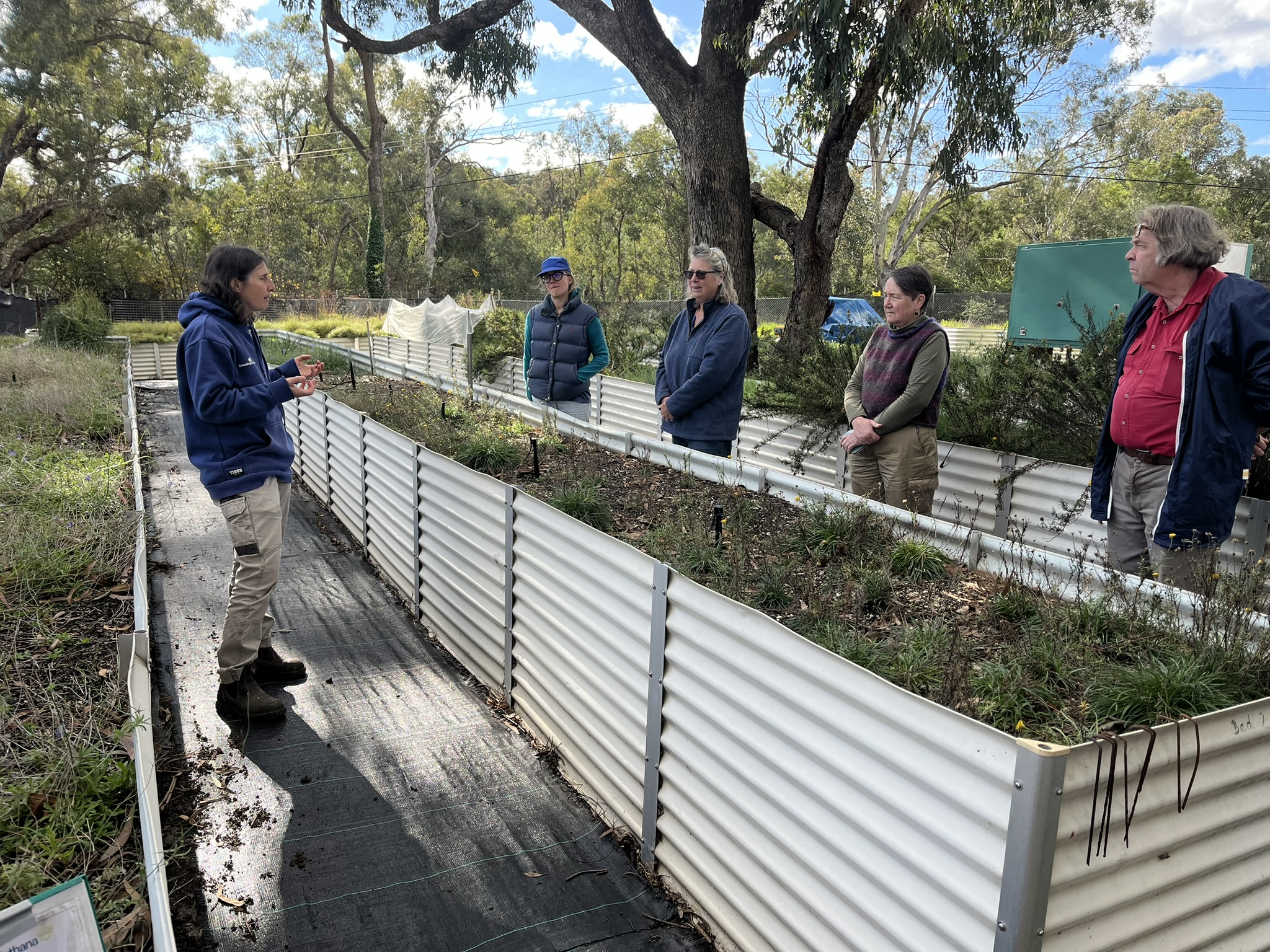
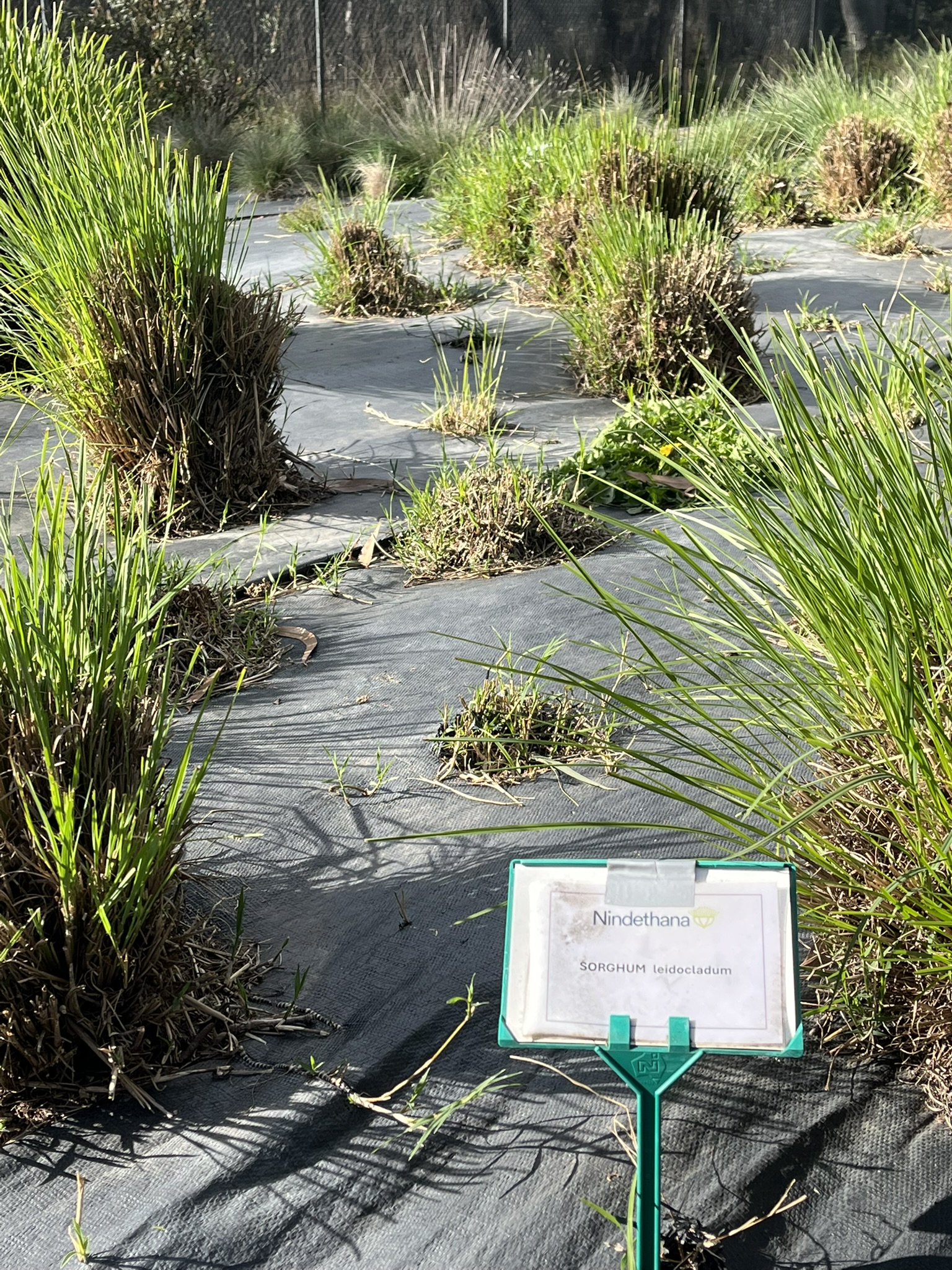
At their SPA site, they focus on growing forbs and some of the smaller native grass species that are usually sparsely spaced in the remnant populations. Through trial and error they have discovered ways to harvest from plants that have staggered seed ripening. Overall, they have found that lilies, some of the native daisies, and wild sorghum grass are the most productive species in their situation.
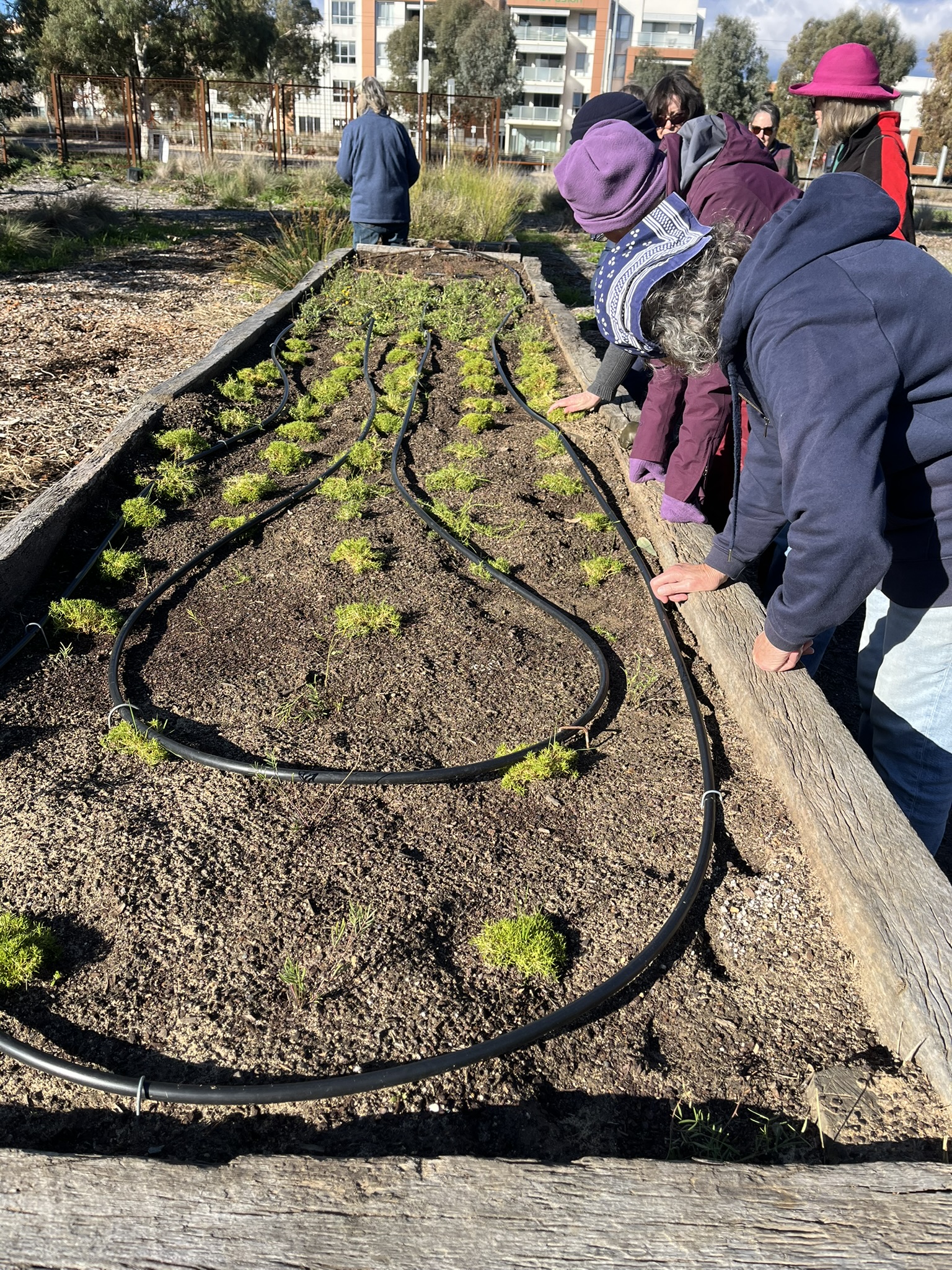
They grow their plants in a combination of raised beds and mounds. The plants are irrigated, and volunteers are heavily involved in caring for the plants and harvesting the seed. Fluffy seed is vacuumed up, and a dedicated drying shed means that the seed will store well.
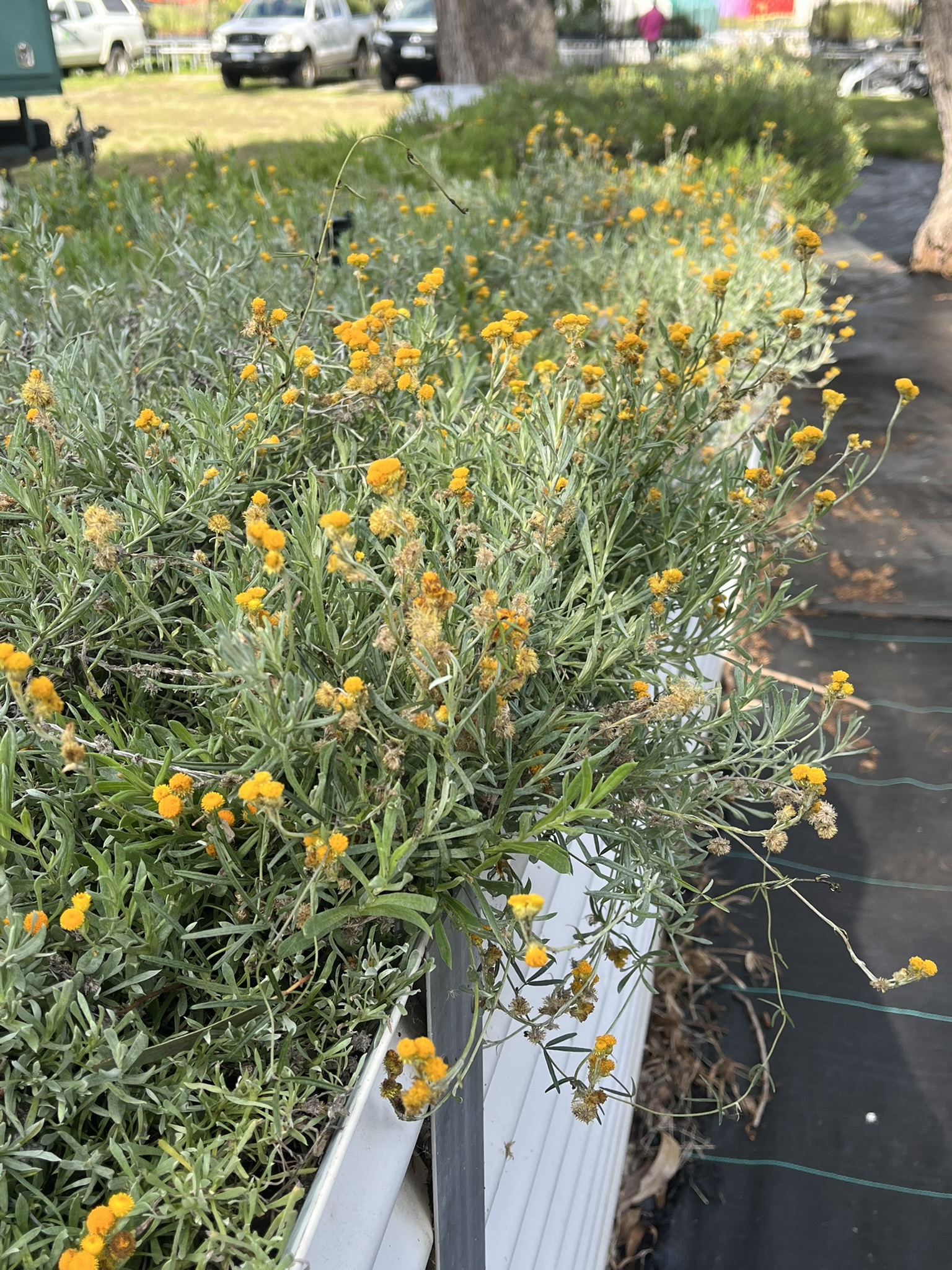
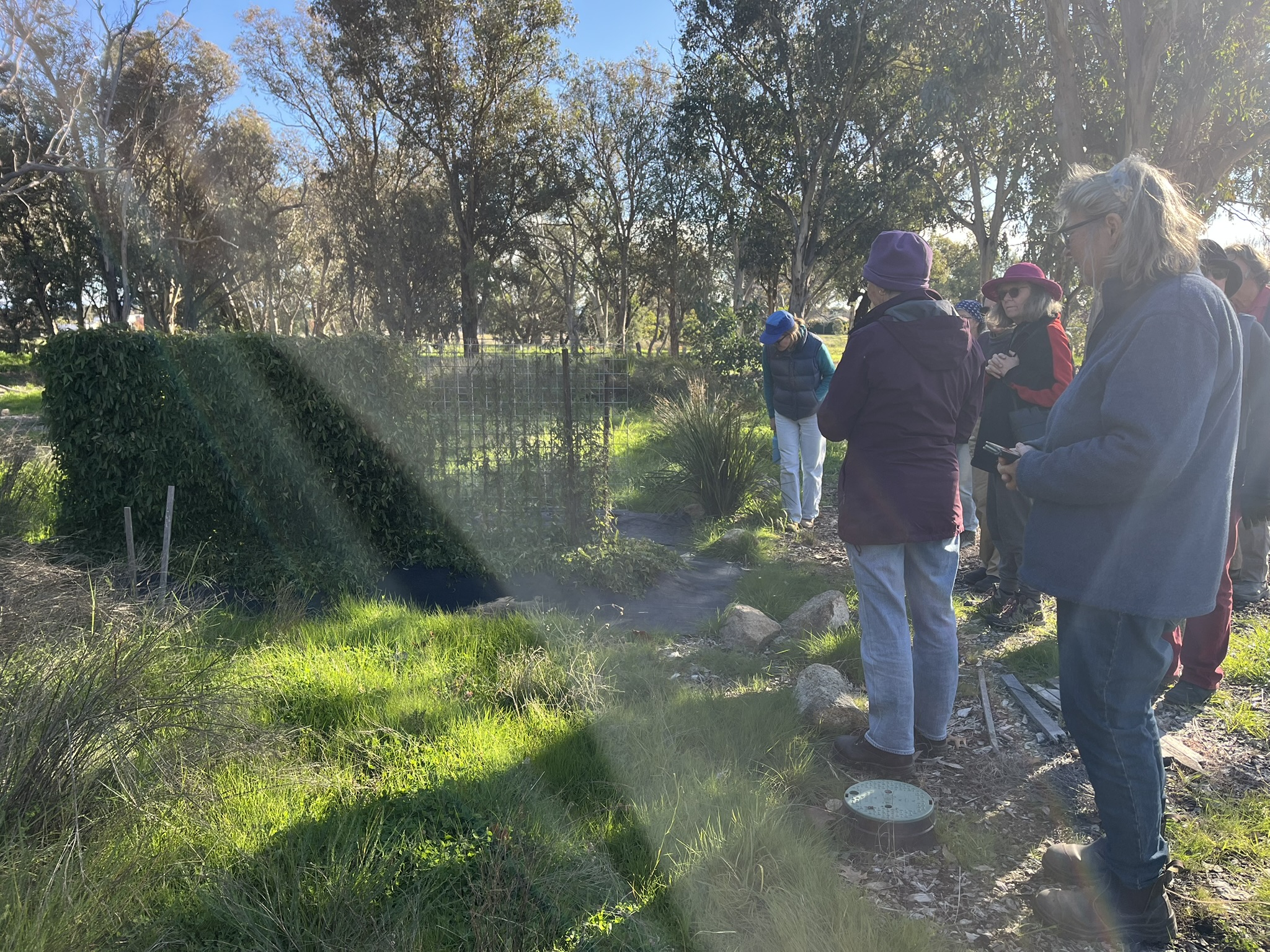
At the Gungahlin site, it was encouraging to see that the ACT Government has invested in growing native wildflowers for restoration projects and reintroductions. Their infrastructure includes raised beds, irrigation lines and trellises for climbing plants. However, that site was less maintained than the Nindethana SPA, and it provided a crucial lesson for the day: that to develop a thriving SPA requires regular monitoring and maintenance.
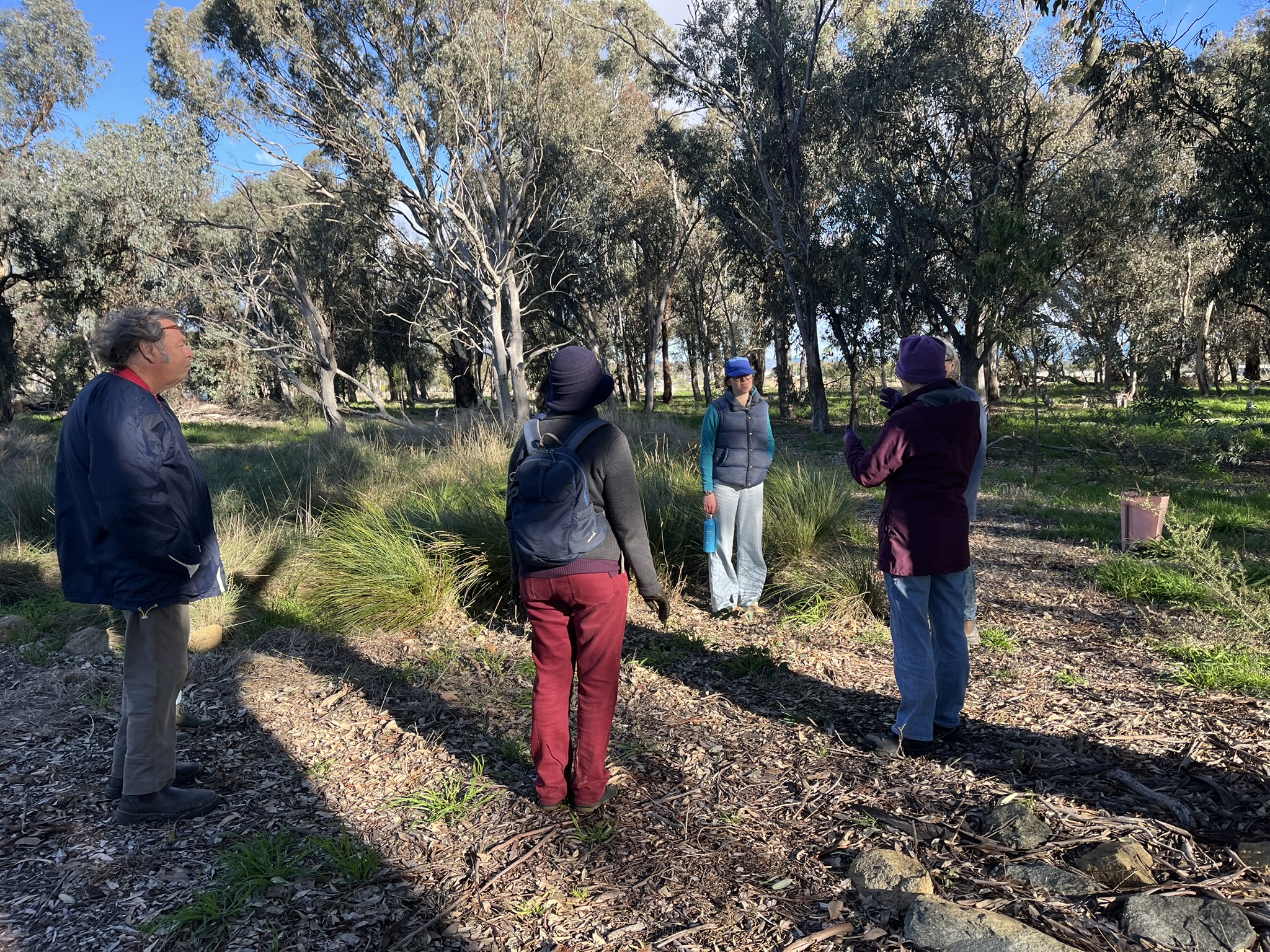
As YAN explores the potential for SPAs, we will keep these valuable insights in mind.
By Sonya Duus, Climate Ready Revegetation Project Officer
The Climate Ready Revegetation Project has been assisted by the NSW Government through its Environmental Trust. Landcare Australia Michael King grants enable us to purchase seed from diverse provenances.