Blog

Bowning Bookham Landcare: Protecting Paddock Trees

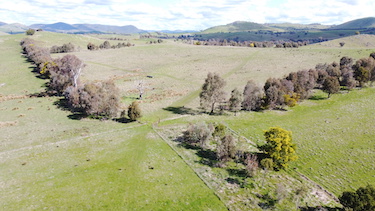
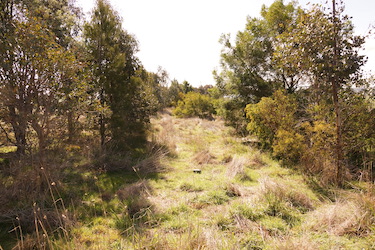
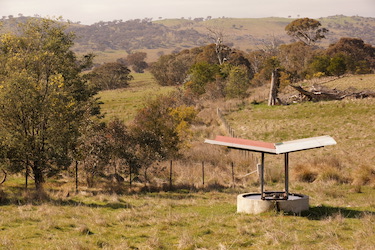
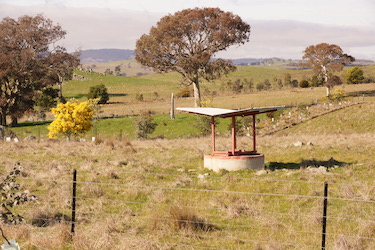
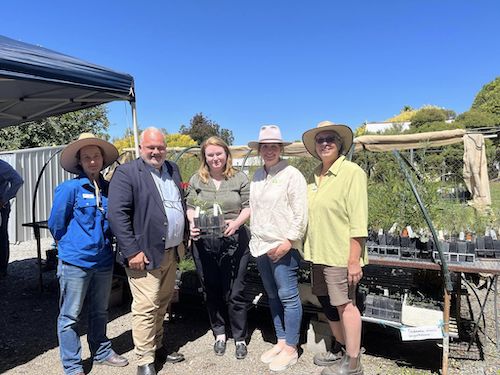
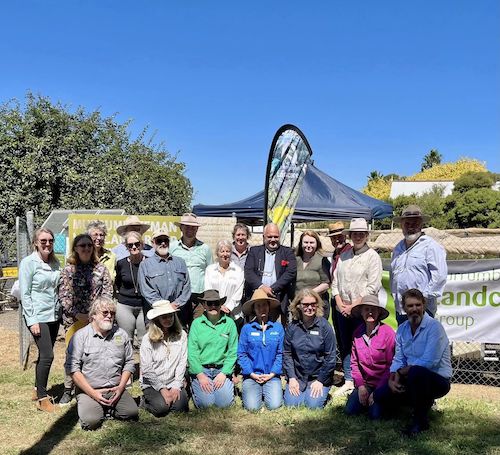
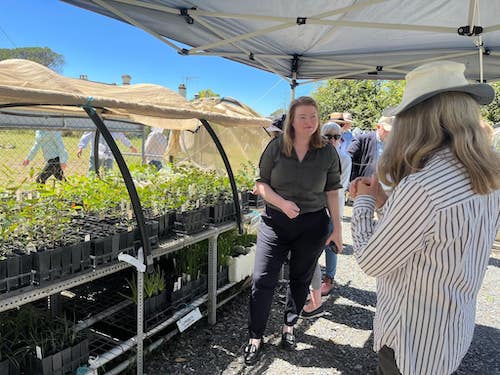
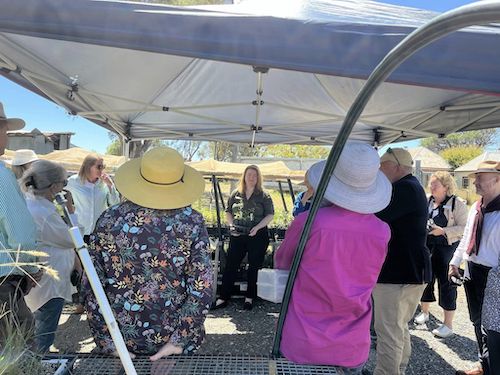
Thanks to the generous support of a recent Transgrid community grant, Bowning Bookham Landcare Group has been able to kickstart it's latest project: making Paddock Tree Guards! These guards will play a crucial role in transforming once open paddocks into havens for both livestock and wildlife.


BBLGPaddockTree 1    BBLGPaddockTree 3

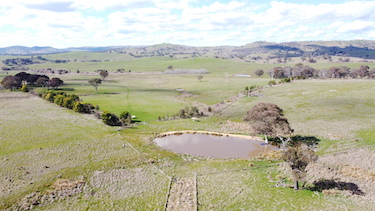
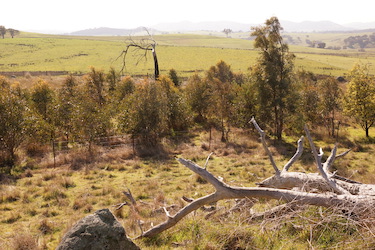
By establishing these guards, we're not just planting trees – we're creating vital shelter for our livestock and fostering habitat linkages for a diverse array of wildlife, birds, and insects. This initiative isn't just about the trees; it's about nurturing our grassland ecosystem as a whole.


BBLGPaddockTree 2    BBLGPaddockTree 4 


Big shoutout to everyone involved in this project – your hard work and dedication are making a real difference in our community! Stay tuned for updates as we continue to grow and nurture our environment together. 


Writen by Sarah McGrath, YAN & Bowning Bookham Landcare Local Coordinator

From Little Things: Thank you Michael King Landcare Australia Nursery support program

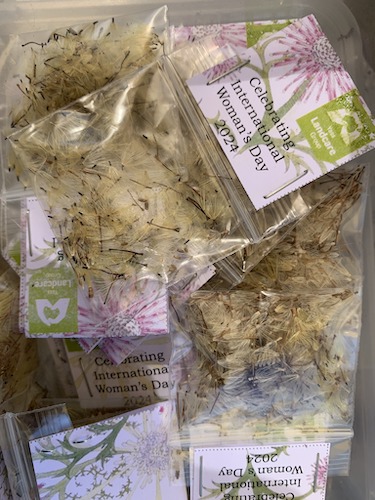
Yass Area Network has been successful in the last couple of years to win a Michael King Grant from Landcare Australia to purchase native seed for the 40 specific plant species which form the basis of our Climate Ready plant list.


FromLittleThings 1   FromLittleThings 2


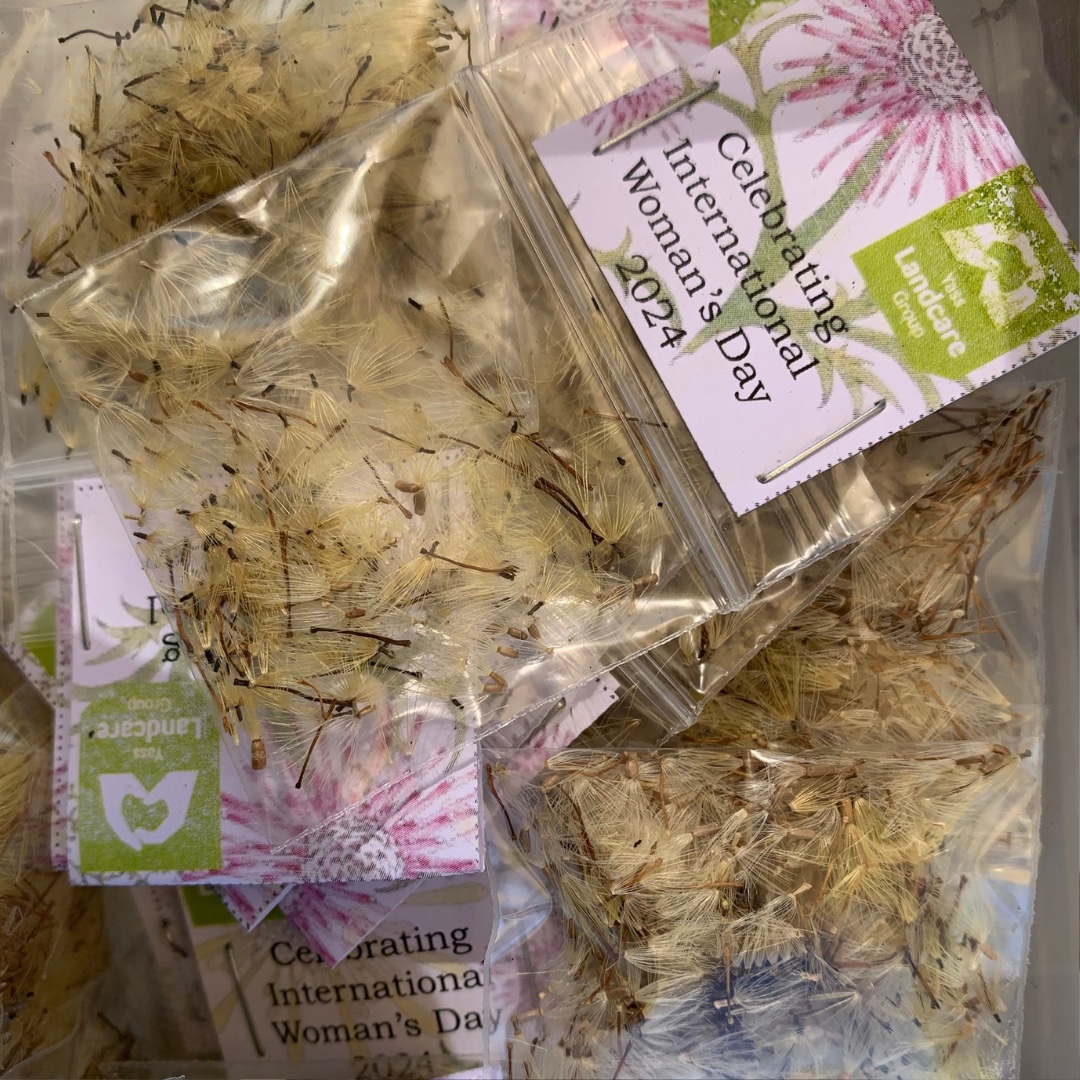
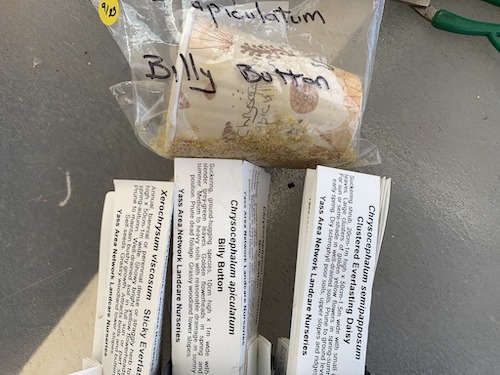
Our Climate Ready seed sourcing team attempts to procure native seed from 6 bio-regions for each of the 40 plants on our Climate Ready list. This results in nearly 240 seed purchases between 25 and 50grams each. Each seed packet is subject to germination testing and only seed which germinates is included in the seed mix distributed to our Landcare volunteer nurseries within our Yass region.


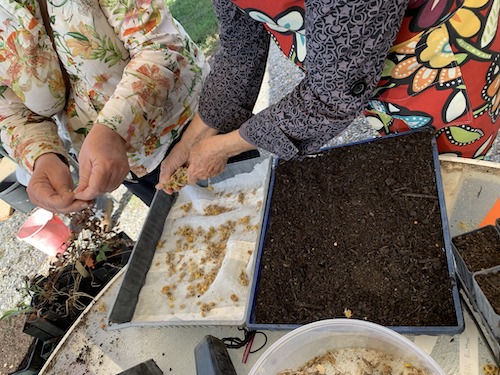
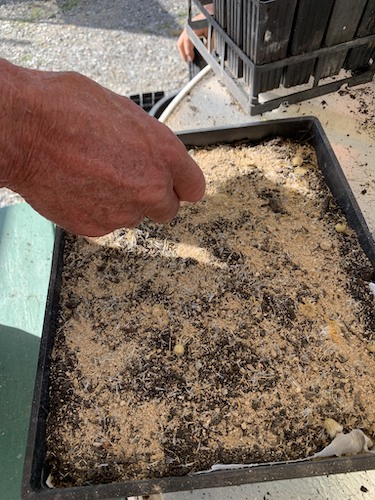
So from a sometimes very small Eucalyptus seed; which is tested for viability; seed for each plant, from up to 6 bio-regions is mixed together, then split into seed lots for our Landcare nurseries. Each nursery then sows the seed in September to January, waters, weeds, thins and then hardens off plants before distribution.


FromLittleThings 3   FromLittleThings 4


So next time you visit one of our Yass regional Landcare nurseries in Murrumbateman, Yass and Bowning-Bookham appreciate the effort undertaken by volunteers to create that plant which we hope you plant, water and protect with a guard in your paddock or garden.

From small things large things can grow.


FromLittleThings 5   FromLittleThings 6


Thankyou to the Michael King Landcare Australia Nursery support program which enables us to be very specific in our Climate Ready native seed procurement requirements.


Writen by Kath McGurik, YAN Volunteer Chair & Sarah McGrath, YAN Local Coordinator

Navigating Uncertainty: Insights from Grazing for Tomorrow Field Day

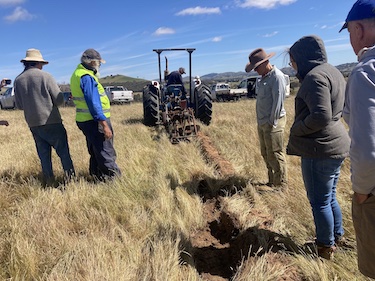
Near Yass, graziers and landholders recently convened for the second Grazing for Tomorrow field day, a gathering aimed at equipping them with the tools to navigate the uncertainties that often impact agricultural enterprises. The South East Landcare event served as a platform for sharing insights, strategies, and innovations geared towards bolstering resilience in the face of natural events that can profoundly impact grazing businesses.


240419 GrazingForTommorrow Main   240419 GrazingForTommorrow 7

Keith McGrath, Billa Burra Burra, kicked off the proceedings by illuminating the transformations he's implemented in his grazing and breeding business. His approach, centred around building biodiversity in plants with a focus on grazing management, showcased tangible improvements in productivity. Participants witnessed firsthand the fruits of his labour, with ridge areas boasting robust ground cover, rendering them 'rain ready' and strategically fortified against erosion, supporting soil structure, health and water retention.


240419 GrazingForTommorrow 4   240419 GrazingForTommorrow 3


Sarah Clarry of Farmlink introduced the 'My Climate View' online climate tool, a valuable resource for farmers seeking to anticipate and adapt to shifting climatic patterns. By providing insights into key indicators like temperature fluctuations, Clarry empowered graziers to make informed decisions, from adjusting lambing schedules to fortifying infrastructure against extreme weather events.


240419 GrazingForTommorrow 2   240419 GrazingForTommorrow 8


Danny O’Brien shed light on the Farming for the Future program, emphasising the importance of mapping and monitoring natural capital on farms. By leveraging data-driven insights, landholders can proactively align their actions with long-term sustainability goals, mitigating risks and maximizing productivity.


240419 GrazingForTommorrow 5   


The Rural Fire Service underscored the imperative of preparedness in mitigating farm emergencies, offering practical strategies to enhance resilience. Local Land Services complemented these efforts by outlining available services and support systems, arming attendees with the knowledge and resources needed to safeguard their livelihoods.


240419 GrazingForTommorrow 9


Judy Carmody of the Rural Adversity Mental Health Program underscored the significance of mental well-being in agricultural communities. Through fostering a culture of support, resilience, and self-care, graziers were encouraged to prioritise mental health amidst the pressures of farm life. Practically; check on your mates and be aware of and manage your ‘stress bucket’.


The main lesson learned was the importance of working together to face uncertainties. As participants left with fresh ideas, they were ready to apply them to their own situations.


As the Yass event ends, excitement builds for the next Grazing for Tomorrow meeting in Bungonia on 17th May  2024. Each gathering is a source of resilience and new ideas, helping attendees plan for a stronger future in farming.


Writen by Sarah McGrath, YAN Local Coordinator


___________________

Landcare NSW’s People Led Prevention project empowers communities across regional NSW in developing disaster resilience and preparedness skills. Jointly funded by the Australian and NSW Governments.

Restoring vegetation structure and function for climate resilience

A group of landholders soaked up the wisdom and practical advice from some of our region's most experienced ecological scientists and practitioners.


Sue McIntyre and her husband Jon Lewis hosted the event on their property Gang-Gang, north west of Gundaroo. Well known locals Alison Elvin and Owen Whitaker contributed to the conversation with their considerable expertise in vegetation restoration and farming practices.


7Apr2024Restoration 4   7Apr2024Restoration 6


Sue and Jon have been caring for Gang-Gang for 20 years. In Sue's words "Our aim has been to create an open woodland, with a diverse perennial ground layer, and trees and shrubs at different densities to provide structural diversity, suitable for both grazing and native fauna habitat." Further background to the property and Sue and John's management can be found in Sue's pre-event blog:  West End Story.


7Apr2024Restoration 1   7Apr2024 Restoration 12


We got to see the results of five stages of revegetation, which have concentrated on re-introducing shrubs to the landscape. Simply removing stock pressure allowed Eucalypts regeneration and a strong cover of perennial grasses to develop. The exhaustion of applied fertilisers has also been key to achieving natural eucalypt regeneration and dominance of natives in the ground layer.


7Apr2024Restoration 8   7Apr2024Restoration 9  


Sue emphasised the importance of the perennial grasses and other grazing-resistant ground layer species for future climate resilience. They are able to survive severe droughts, and when heavy rains come, they protect the soil from erosion. Less palatable species are able to protect grazing-sensitive, softer plants when grazing pressure is high, and therefore maintain diversity. Sue described the native grasses as “resistant” (to grazing and drought) but not “resilient". That is, they will not recover from sustained use of fertilisers or cultivation.


Wattles play an important part by gently fixing nitrogen and often providing a protective nursery beneath them. In the most recent drought, Sue and Jon observed a small patch of Sticky Everlasting Daisy (Xerochrysum viscosum) surviving under wattles, which were then able to spread widely when the rains finally came. 


7Apr2024Restoration 10


Sue and Jon have observed a dramatic increase in the population of small birds since the wattles have been added to the landscape. Parrots also visit to feed on the wattle seed, and at the end of the life of wattles when grubs are in the wood, Yellow Tailed Black Cockatoos arrive to feast.


Graziers were recommended to "farm grass, not animals", and to be open to being flexible with livestock numbers in the interest of protecting the health of the grassland.


It was emphasised that observation skills are the most important skill a land manager can have. The presenters encouraged everyone to trust their observations, as we are all learning. Owen suggested that we get to know plants "like another person", as well as getting to know their names.


7Apr2024Restoration 2   7Apr2024Restoration 7


Despite a rain shower everyone stayed until the end, thoroughly enjoying the place, the learning, and interacting with one another.


Writen by Sonya Duus, Climate Ready Revegetation Project Officer


Habitat Hops Acknoweldgement

Follow on Facebook