As pressures on agricultural systems continue to grow, many farmers are looking beyond synthetic fertilisers and inputs towards biological systems which work with natural processes to improve soil health, plant growth and resilience. Biofertilisers, inoculants and biological cultures are increasingly being explored as tools to stimulate plant growth, unlock nutrients in plant-available forms and build the biological complexity that supports healthy soils and productive landscapes.
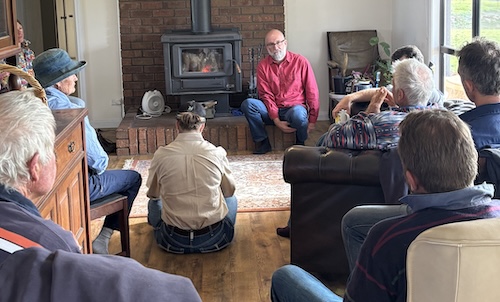
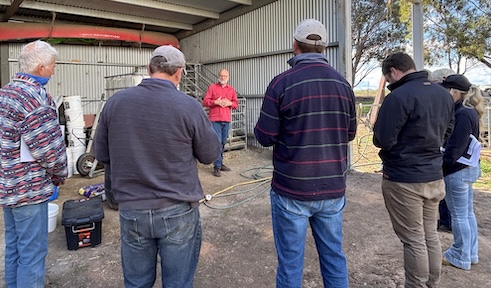
Recently, members of the Bowning Bookham Landcare group gathered for a hands-on “Bugs and Brews” workshop with David Hardwick, Soil Land Food, who brought a wealth of knowledge and practical experience to the day. The workshop gave participants the opportunity to take a deeper dive into the world of biofertilisers, inoculants and biological brewing systems for agriculture.
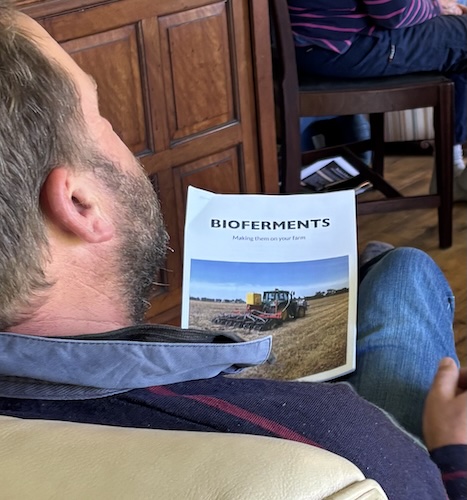
The workshop explored the main types of biological products commonly added to soils, including:
- Biostimulants – compounds which stimulate plant growth and biological activity
- Fertilisers – products which provide additional nutrients
- Soil amendments – conditioners which alter soil chemistry or structure
- Inoculants – living organisms which provide beneficial services within the soil and plant system.
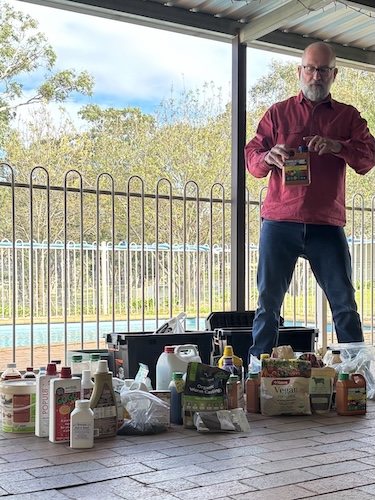
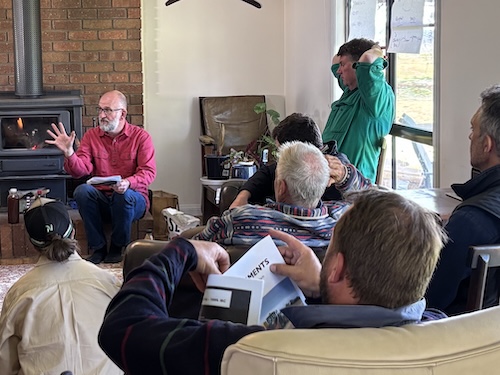
Participants discussed these differnt products and the many forms which are currently avaiable on the market and the important question of what actually makes nutrients available to plants, before turning their attention to the practical side of building biological cultures.
David guided the group through the key ingredients needed to create successful cultures: energy, nutrients, air, water, temperature and a starter culture. Discussion then moved into how a base culture can be expanded and adapted for use in producing a range of other biological products, including biofertilisers, compost stimulants and inoculants.
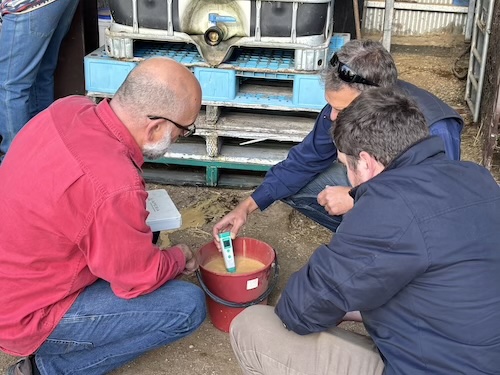
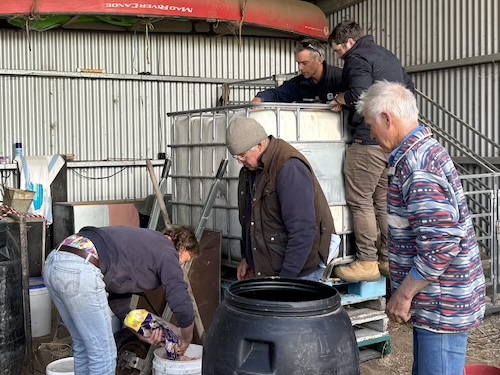
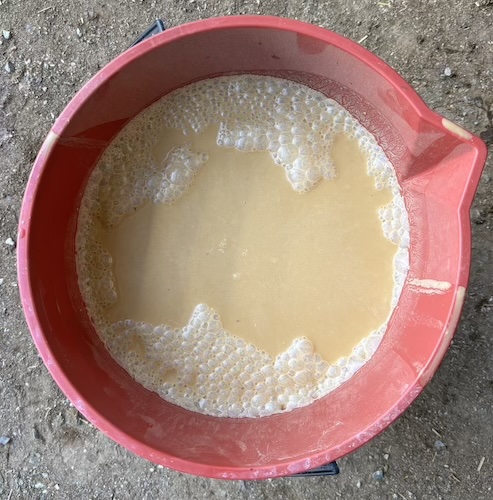
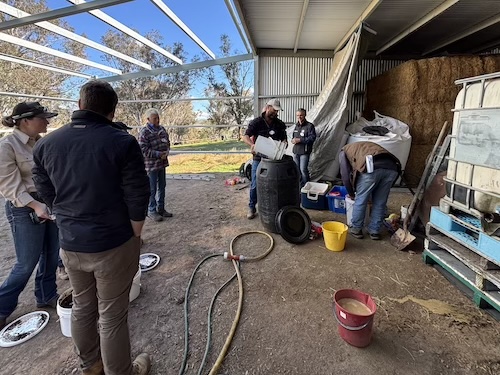
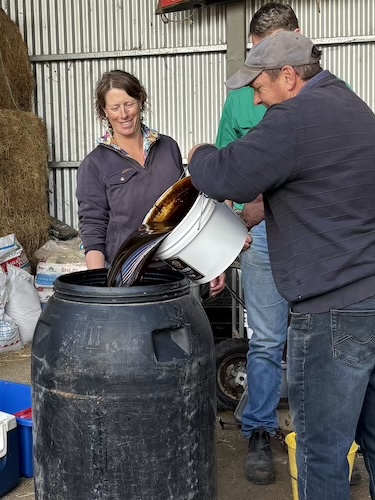
Building on work started at the previous Landcare on Farms event, the group headed back outside to continue developing a Kefir-based culture into a hydrolysate bio-compound. The process centres around the anaerobic fermentation of a protein source to create a product with both biofertiliser and biostimulant properties.
This batch will ferment slowly over winter before being ready for use on pasture, fodder crops and other agricultural applications in spring.
For this particular brew, pet food was used as the protein source, although meat, fish, eggs or other protein-rich materials can also be used. Molasses provided energy for the fermentation process, while the starter culture came from the Kefir-based brew developed at the previous workshop.
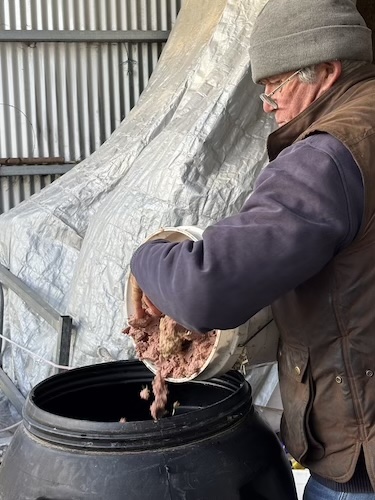
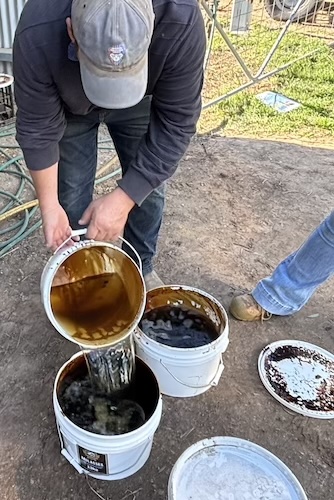
A big thank you goes to Kylie and Oliver Kimpton for hosting the workshop and helping get the culture underway. The group looks forward to future visits and discussions around how the biofertiliser develops over winter and the impacts once it is applied in the paddock.
The Landcare on Farms program continues to provide opportunities for farmers and graziers across the district to learn together, share ideas and explore practical approaches to building resilient farming systems. Anyone interested in getting involved is encouraged to get in touch with the the Bowning Bookham Landcare group bblandcare@yan.org.au
Written by Sarah McGrath, Landcare Coordinator, Bowning Bookham Landcare Group
